Earth Day is a reminder that environmental impact is not something distant or abstract. It is shaped by everyday decisions and routine operations across every industry.
In commercial kitchens, one of the most overlooked impacts comes from something simple: what goes down the drain.
Every day, kitchens produce fats, oils, and grease. Most of it goes straight into the drainage system, out of sight but not without consequences. Over time, this leads to blocked drains, emergency callouts, sewer pollution, and increasing pressure on wastewater infrastructure. Despite this, it is still widely treated as waste rather than something with potential value.
Reframing that perspective changes the conversation. Waste is not simply something to dispose of. It is a resource in the wrong place, and how it is managed has a direct and measurable impact.
But recognising that is only the starting point. To create meaningful change, it has to be managed in a way that is practical, consistent, and effective in real kitchen environments.
With the right approach in place, the impact of managing fats, oils, and grease at source becomes clear. Unlike passive grease traps that pump out large volumes of water and waste, GreaseShield® isolates and captures FOG at the source. This prevents grease from entering the drainage system, reducing blockages and operational disruption while improving how waste is handled overall.
At the same time, what was previously treated as waste becomes something that can be recovered and reused. In many cases, this recovered material can contribute to biodiesel production, turning a routine byproduct into part of a lower emission energy solution.
For this to work in practice, sustainability cannot come at the expense of performance. Systems need to operate efficiently within real kitchen environments. GreaseShield® is designed without a heating element, using waste thermal energy already present in wastewater and kitchens rather than relying on additional energy input. This significantly reduces energy consumption compared to alternative grease recovery units, while also lowering operating costs.
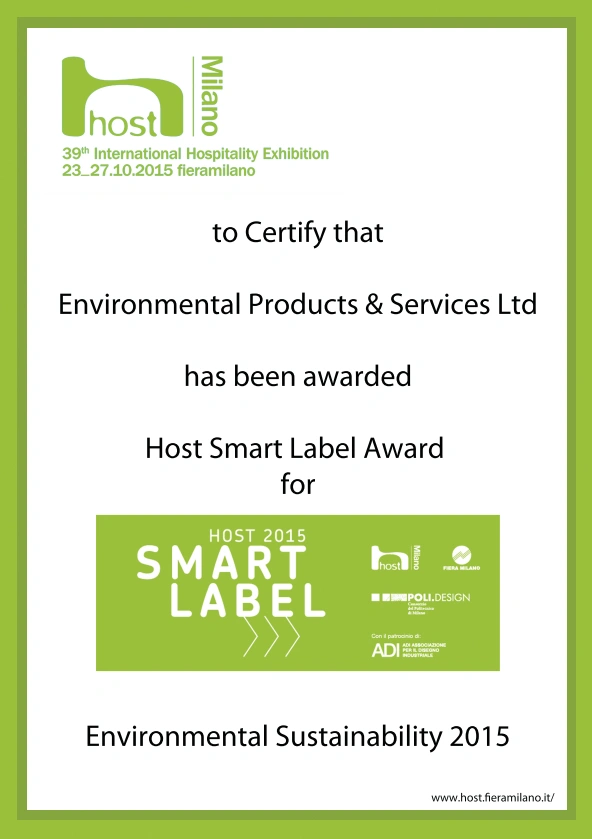
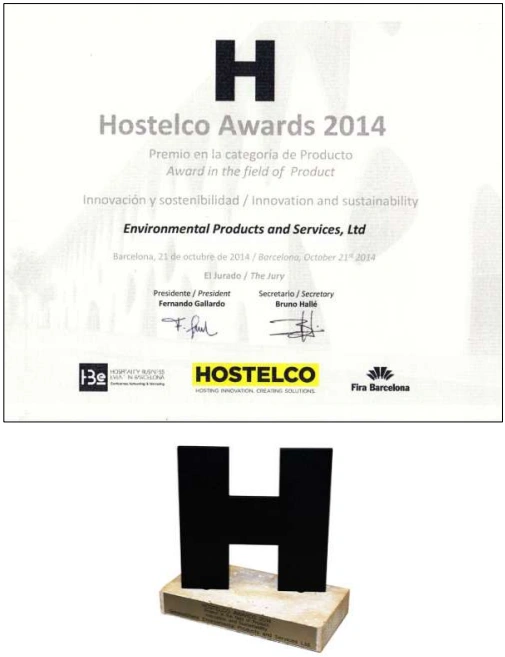
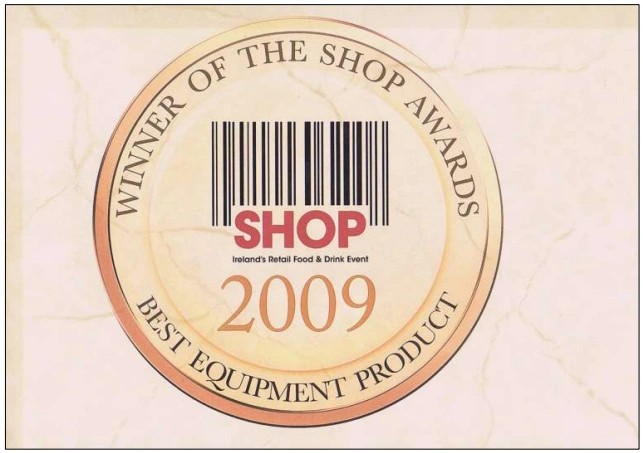
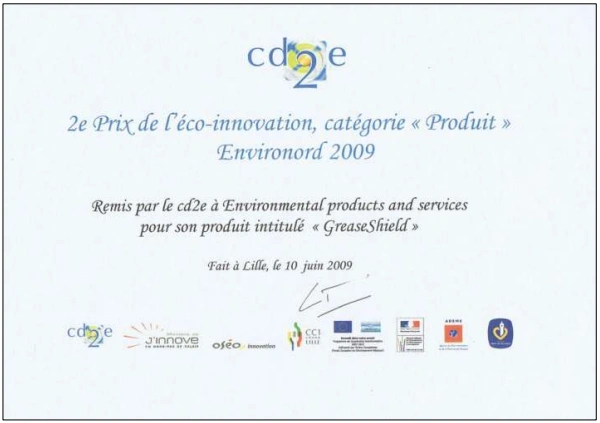
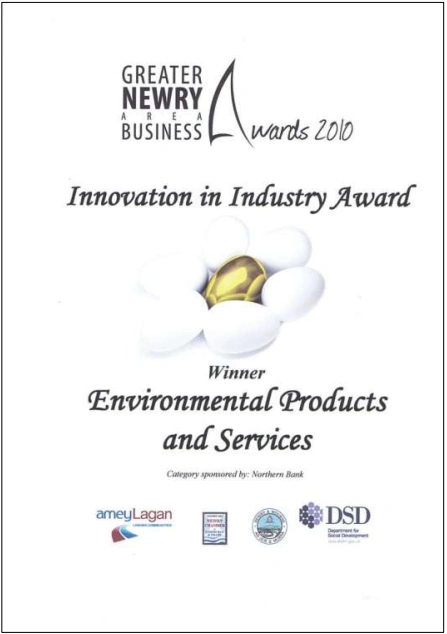
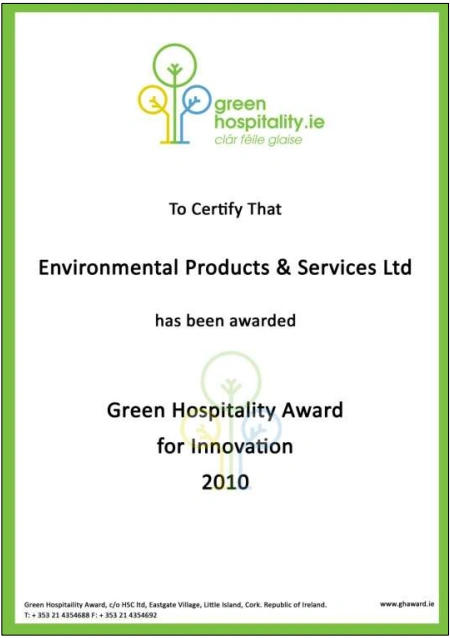
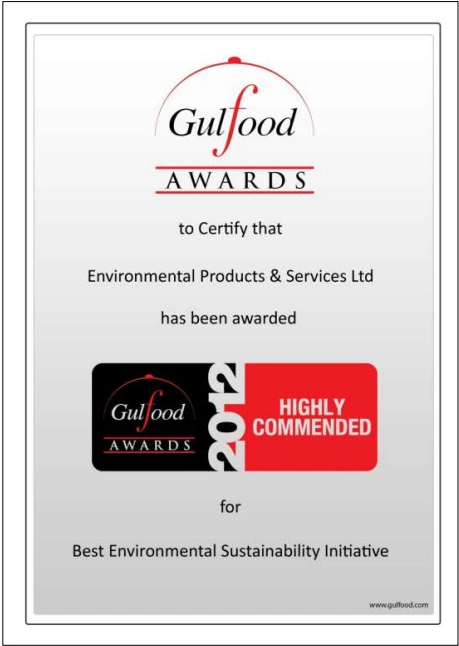
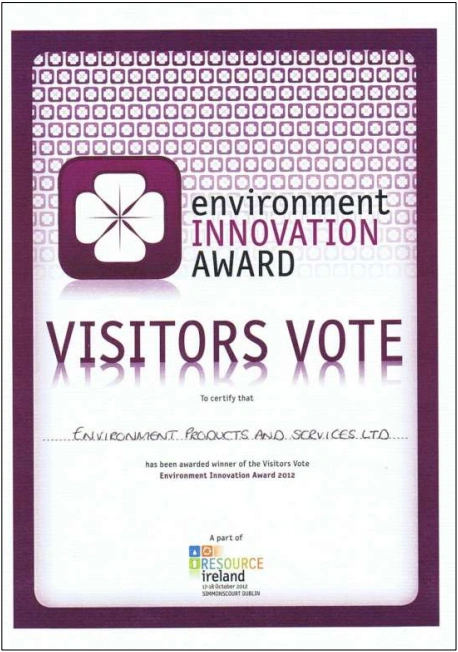
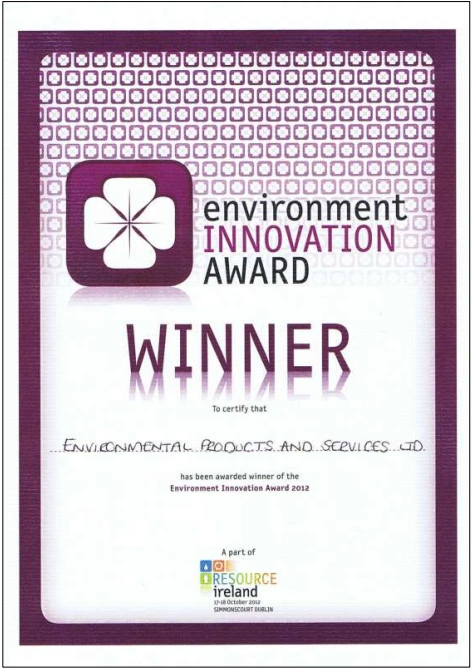
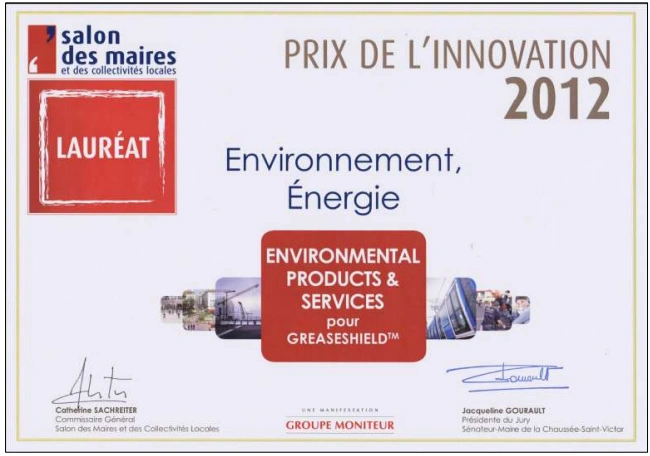
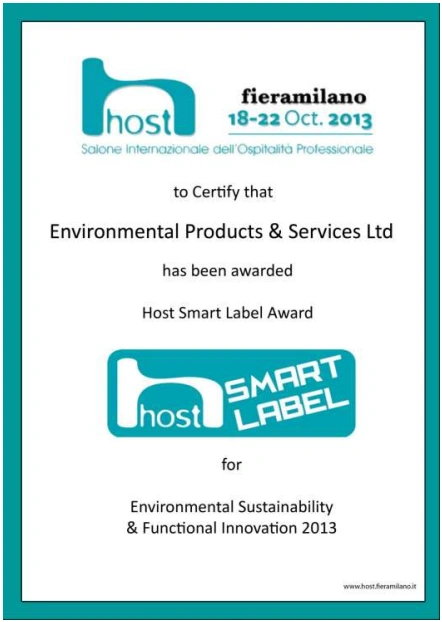
Sustainability, however, is not just about intention. It needs to be measurable. Our systems are supported by independently verified Environmental Product Declarations (EPDs), providing transparent, lifecycle-based data on environmental impact. This ensures that performance is not only claimed, but clearly evidenced. This approach has also been recognised through 26 international and national awards for innovation and environmental performance.
This approach also reflects a broader responsibility. Achieving carbon neutrality under ISO 14068-1 standard means measuring emissions, reducing them where possible, and offsetting what cannot yet be eliminated. It requires a detailed understanding of environmental impact, close collaboration across supply chains, and a commitment to continuous improvement over time. It is an ongoing process rather than a one time achievement.
Earth Day is ultimately about practical action. In a commercial kitchen, a single change in how fats, oils, and grease are managed can prevent significant volumes of waste from entering the environment, reduce operational costs, improve compliance, and create value from something previously discarded.
Take control of your kitchen waste. Capture it, reduce costs, and put it to better use.