Bringing a source-first approach to commercial kitchen FOG and food waste management
Across California’s schools, universities, hospitals and public facilities, sustainability is increasingly shaped by decisions about how buildings are designed, operated and maintained. Commercial kitchens are part of it particularly when it comes to what enters the drainage system.
Fats, oils and grease (FOG), together with food solids, can contribute to blocked drains, maintenance demands and operational disruption, with consequences extending beyond the kitchen into the wider wastewater network. Preventing these materials from entering the drainage system is an infrastructure, facilities management and resource-efficiency opportunity.
That is the conversation Eco Products and Innovations Inc. (EPAI) is bringing to Green California Summit 2026.
EPAI will showcase GreaseShield® – The Grease Management Solution and FilterShield™ – Food & Solid Waste Removal, innovative solutions manufactured to capture FOG and food solids close to where they are generated.
EPAI is the US operation of Environmental Products and Services Ltd (EPAS Ltd), established to develop manufacturing capability and support the growing North American market. It brings together EPAS’s decades of specialist engineering experience with a long-term commitment to building a stronger presence in the United States.
For public agencies, facilities professionals, sustainability teams, foodservice specialists, architects and engineers attending Green California Summit, the issue raises an important question: How much of the downstream problem can be prevented at source?
Every day, busy commercial kitchens generate wastewater containing fats, oils and grease (FOG), along with food particles, starches and other solids from sinks and food preparation areas. Once these materials enter the drainage network, they can contribute to blockages, increased maintenance and operational disruption. What appears to be a relatively small kitchen issue can quickly become a facilities management problem.
Scale makes the issue more significant. A school district may be responsible for kitchens across dozens of sites. A university can operate multiple dining and catering facilities across a single campus. Hospitals and other public institutions depend on commercial kitchens operating reliably every day. In these environments, prevention matters.
EPAI’s approach is to intercept FOG and food solids close to where they are generated, before they have the opportunity to create problems further downstream.
- GreaseShield® separates fats, oils, grease and food solids from kitchen wastewater, helping prevent these materials from travelling further into the drainage network. A distinctive aspect of GreaseShield® is its use of waste thermal energy already present in commercial kitchen wastewater. Heat discharged from sources such as pot sinks and dishwashers assists the separation process. The FOG recovered through the process also has potential value. Rather than being viewed solely as a waste stream, separated FOG can be collected for potential use as a feedstock in renewable-energy applications, including biodiesel production. This introduces an important principle: a material that presents a problem in the drainage system may have value when it is captured at source. That is resource recovery in practical terms.
- Food particles, rice, pasta, vegetable matter, coffee grounds, starch and other solids can enter drainage during preparation, washing and cleaning. FilterShield™ captures food and solid waste before it enters the drainage system, whilst allowing wastewater to pass through.
GreaseShield® and FilterShield™ provide a source-based approach to two significant components of commercial kitchen wastewater – FOG and food solids, rather than manage their consequences further downstream.
Why this matters to California’s public facilities
Sustainability strategies can be ambitious at organisational level, but their success ultimately depends on decisions made at individual buildings and facilities.
- For facilities teams, keeping FOG and food solids out of drainage can form part of a preventative approach to protecting infrastructure and reducing avoidable disruption.
- For sustainability professionals, source separation creates a connection between pollution prevention, waste management and potential resource recovery.
- For architects, engineers and foodservice consultants, addressing FOG and food solids during kitchen design provides an opportunity to consider drainage protection before a facility becomes operational.
- For procurement and public-sector decision-makers, environmental performance has to be considered alongside reliability, practicality, maintainability and value over the life of an asset.
This is where sustainable solutions has to prove itself not simply through environmental claims, but through how it performs in day-to-day operation.
Commercial kitchens are demanding environments. A sustainability solution still has to perform when the kitchen is at capacity, staff are under pressure and hundreds, sometimes thousands, of meals are being prepared. That is why environmental performance and operational performance cannot be separated. Solutions has to work for the people using it. It has to fit the realities of the facility. And it has to deliver consistently.
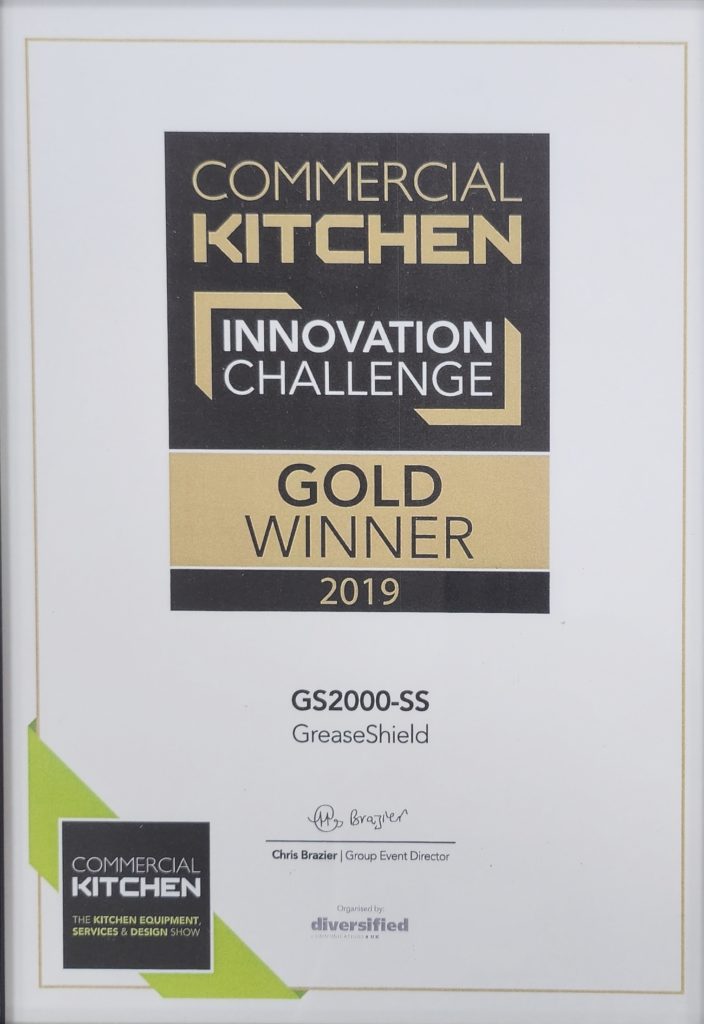
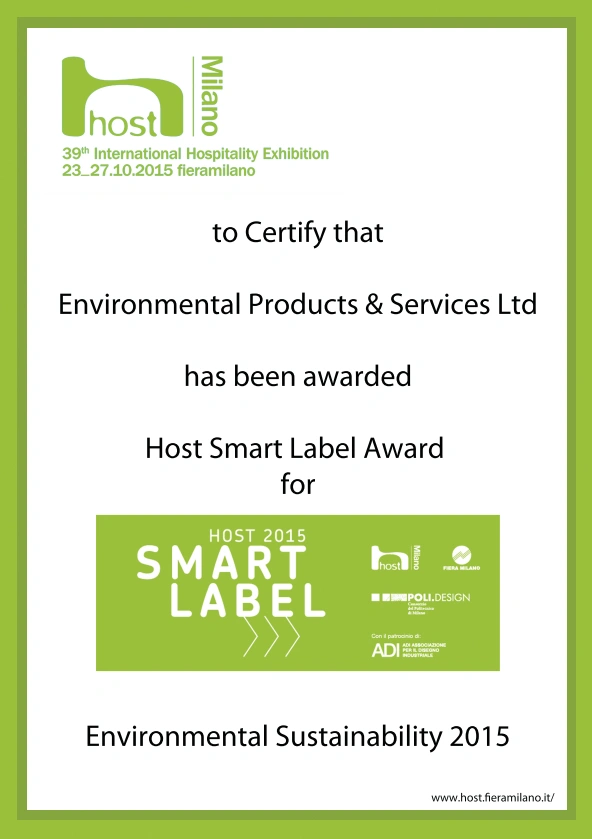
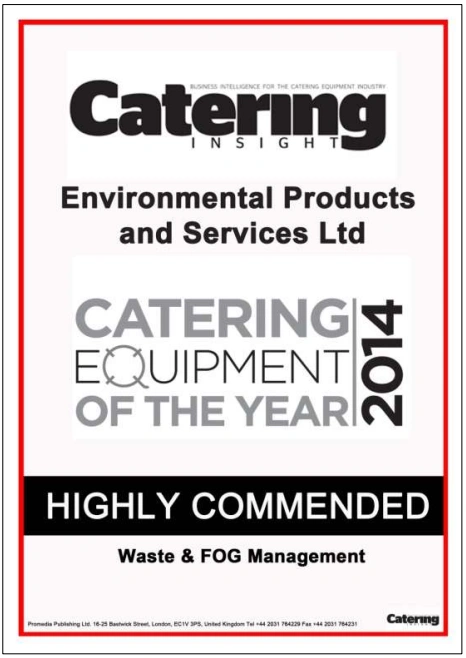
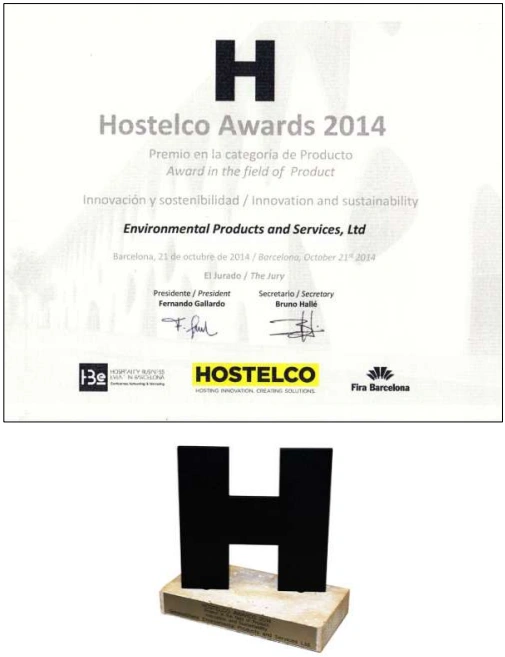
This principle has shaped the manufacturing of GreaseShield® and FilterShield™. Their environmental credentials are supported by independent testing, certification and Environmental Product Declarations (EPDs), giving customers and specifiers greater transparency when assessing environmental performance.
That evidence matters as public agencies and project teams increasingly need to distinguish between broad sustainability claims and solutions supported by credible environmental information and proven engineering.
Eco Products and Innovations Inc. (EPAI) in the United States marks an important new chapter for Environmental Products and Services Ltd (EPAS Ltd) and its commercial kitchen solutions.
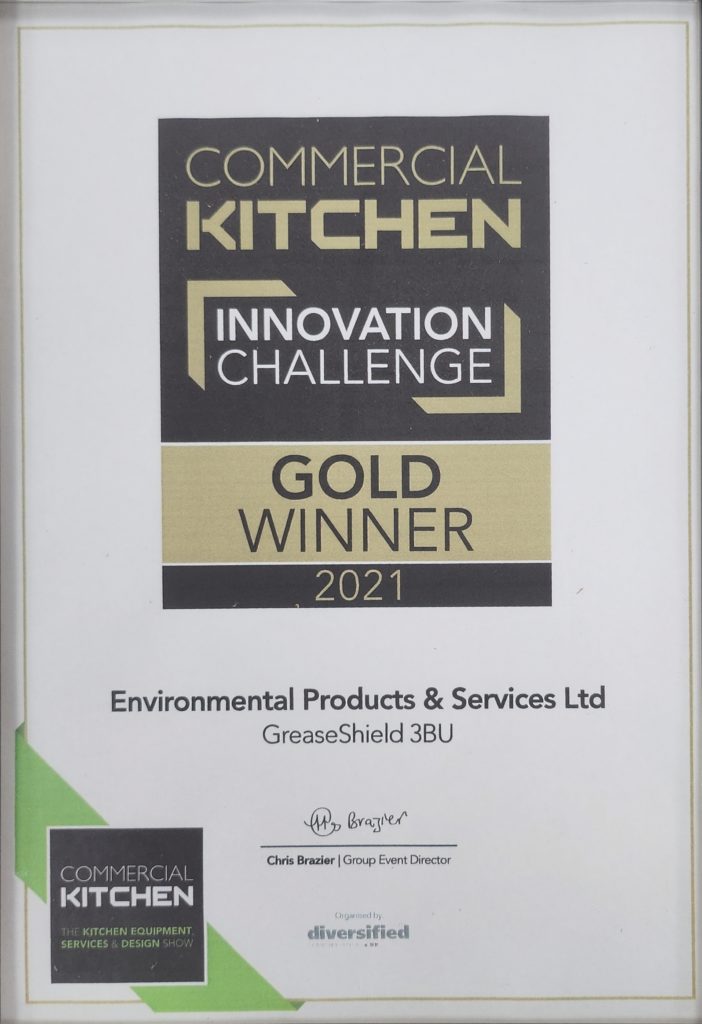
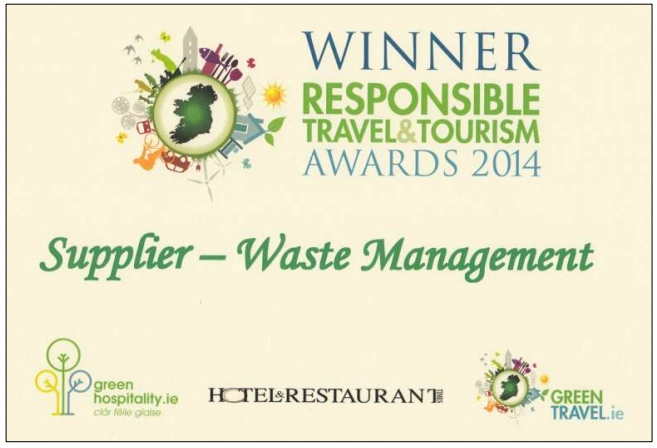
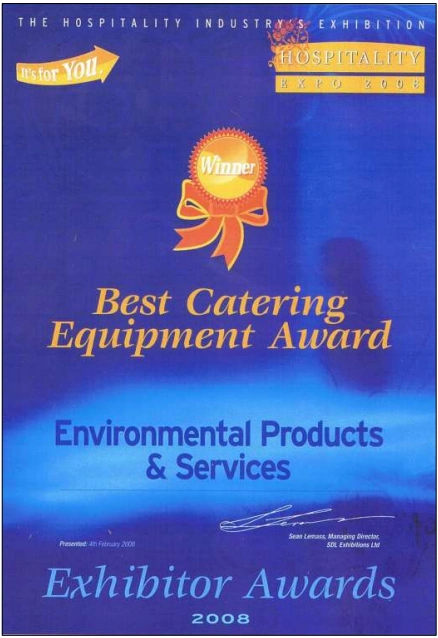
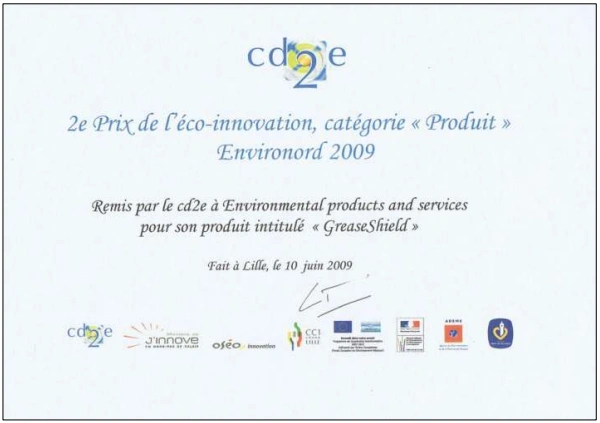
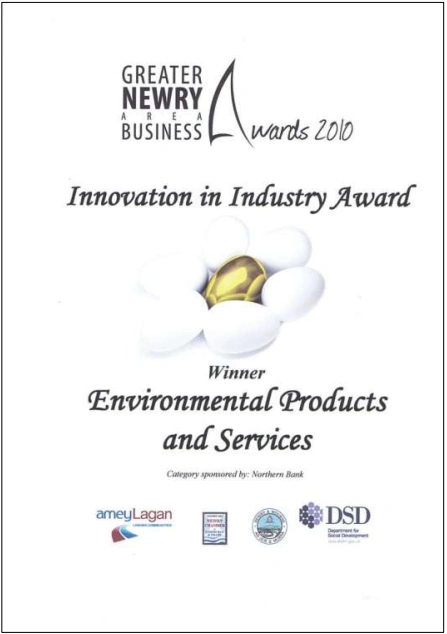
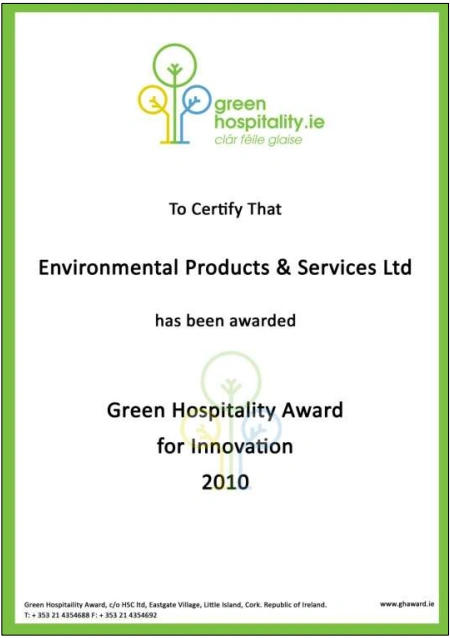
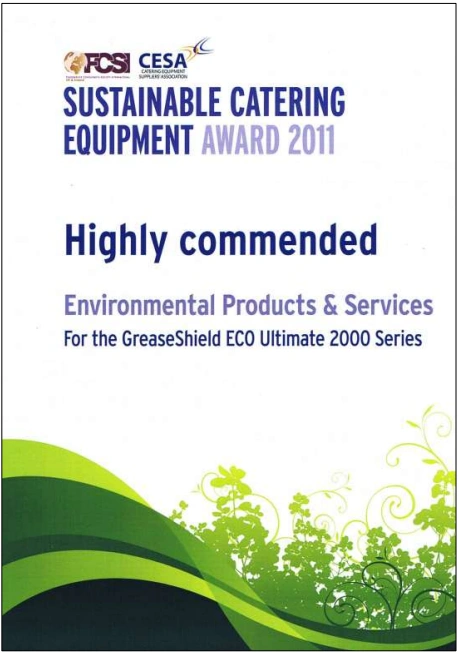
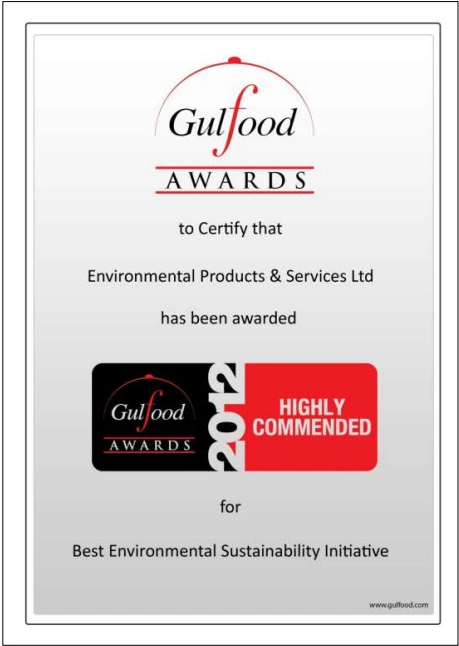
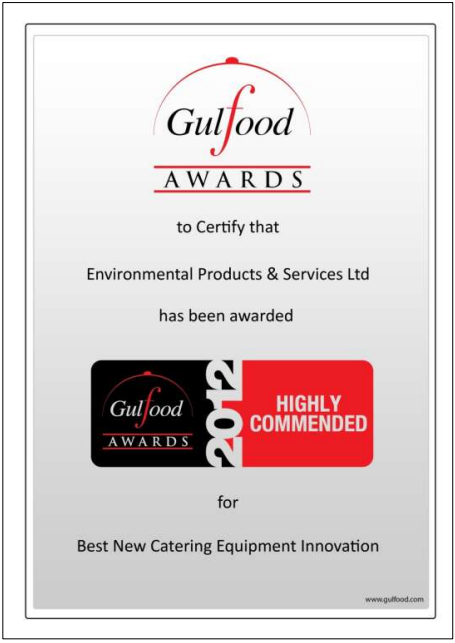
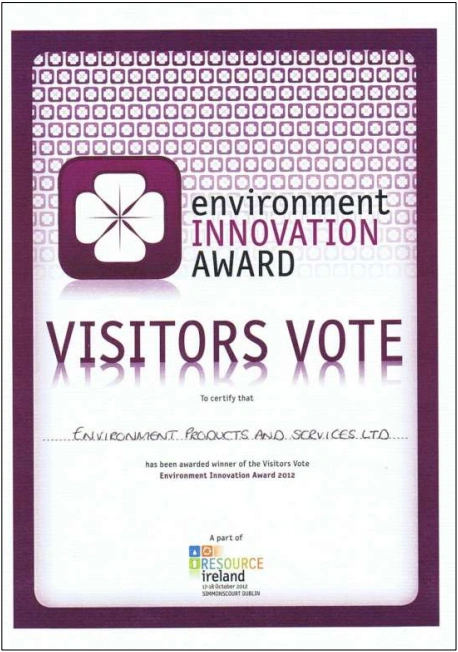
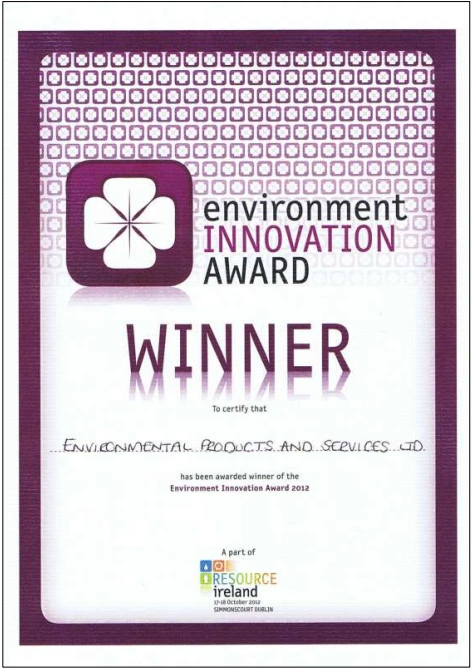
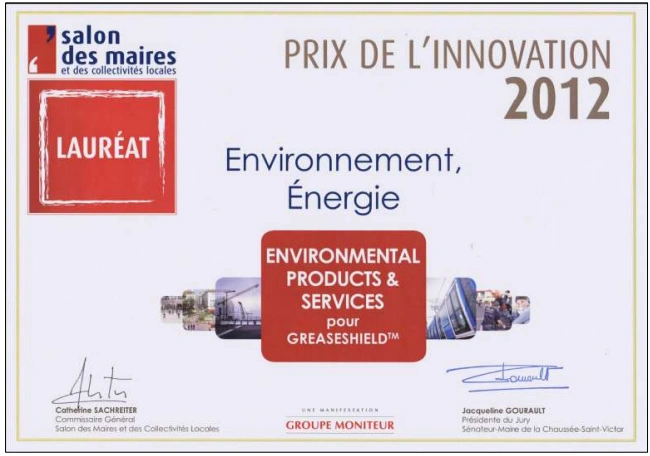
Established in 1998, EPAS has spent decades developing specialist solutions for commercial kitchen drainage protection, grease management and food-waste separation. Its innovations have received international recognition and have been deployed across commercial foodservice environments in multiple markets.
EPAI’s manufacturing operation in the United States is creating a platform to manufacture and support these solutions closer to the North American market. The investment reflects a long-term commitment to the US.
As EPAI develops its American manufacturing capability, it will combine EPAS’s international engineering experience, established solutions and specialist technical knowledge with an increasingly local presence.
Green California Summit 2026 comes at an important point in that development. It provides an opportunity for EPAI to meet the public agencies, specifiers, consultants, facilities professionals and industry partners helping shape the next generation of sustainable facilities in California and across the United States.
The traditional conversation around commercial kitchen FOG and food waste has often concentrated on what happens after these materials have entered the drainage or waste system. EPAI is interested in what happens before that point.
- Can grease be separated before it travels through the drainage network?
- Can food solids be removed before they reach the drain?
- Can recovered material have another use?
- And can drainage protection be considered when a commercial kitchen is being designed, rather than after an operational problem emerges?
These questions matter because prevention can affect how facilities approach infrastructure protection, resource recovery, waste management and long-term operational resilience.
- For new facilities, there is an opportunity to address potential problems at design stage.
- For existing kitchens, there is an opportunity to reconsider what is currently being allowed to enter the drainage system.
At Green California Summit 2026, EPAI will bring this source-first approach to the people responsible for designing, operating and improving California’s public facilities. Our team looks forward to meeting public agencies, school districts, colleges and universities, healthcare organisations, facilities teams, sustainability professionals, foodservice operators, architects, engineers, consultants, kitchen designers, contractors, distributors and industry partners.
Visitors will be able to see GreaseShield® and FilterShield™, discuss their application in new and existing commercial kitchens, and learn more about EPAI’s US operation.
Visit Stand 323 – Eco Products and Innovations Inc. at Green California Summit 2026
- GreaseShield® – The Grease Management Solution
- FilterShield™ – Food & Solid Waste Removal
Any questions, email Enquiries@epas-ltd.com