Plans for a new Dunkin’ restaurant in Boise, Idaho, have been withdrawn after grease-management requirements became a significant obstacle to the development. The case highlights why effective grease management is an essential consideration for commercial kitchens, and why choosing the right system from the outset matters.
The proposed restaurant was set to occupy an existing Papa Murphy’s location at Northgate Shopping Center on West State Street. However, during the planning process, it emerged that the premises did not have the grease trap or interceptor required for the new operation.
According to reporting by BoiseDev, the City of Boise confirmed that the planned Dunkin’ would require grease-abatement equipment to prevent fats, oils and grease (FOG) from entering the municipal sewer system.
The building owner subsequently decided not to proceed with the development, and the application was withdrawn.
The situation highlights an important issue facing the foodservice industry: grease management is not simply a maintenance consideration once a commercial kitchen is operational. It can influence the design, installation and even feasibility of a new business.
Even Coffee Shops Have a Grease Problem
When considering grease management, most people immediately think of commercial kitchens with deep-fat fryers, grills and heavy cooking equipment.
However, coffee shops and cafés can also produce significant quantities of fats, oils and grease.
In fact, the City of Boise introduced grease-abatement requirements for new and refurbished coffee shops following a 2018 study which found that the disposal of expired milk and heavy cream contributed significant amounts of FOG to the wastewater system.
Dairy fats, food residues, sauces and cooking oils can all enter wastewater through sinks, dishwashing equipment and cleaning processes.
Once discharged into drainage systems, FOG can accumulate, contributing to blockages, unpleasant odours, maintenance costs and wider problems within sewer networks.
Some fats can also become emulsified within wastewater, making them particularly difficult to separate using traditional gravity-based grease traps.
This demonstrates why effective grease management is important across the entire foodservice industry, regardless of whether a business operates a large restaurant kitchen or a small café.
Grease Management: Retention vs Removal
While conventional grease traps and interceptors are widely used throughout the foodservice industry, not all grease-management technologies operate in the same way.
Traditional passive grease traps rely primarily on gravity separation. As wastewater passes through the system, separated grease accumulates inside the interceptor, where it remains until the unit is cleaned or pumped out.
GreaseShield® takes a different approach.
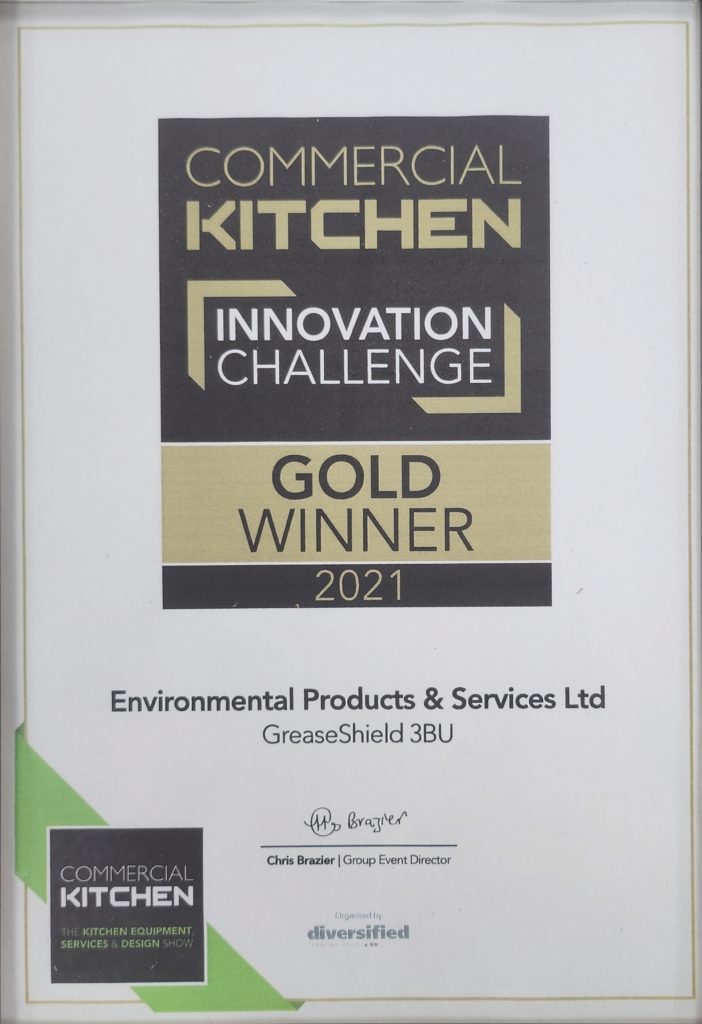
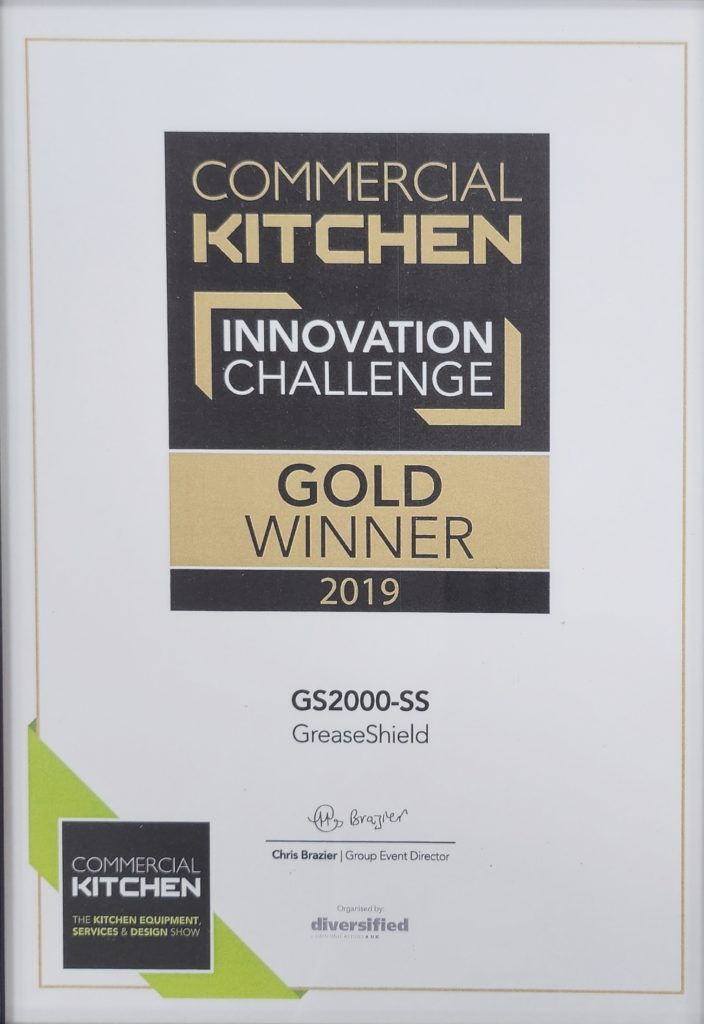
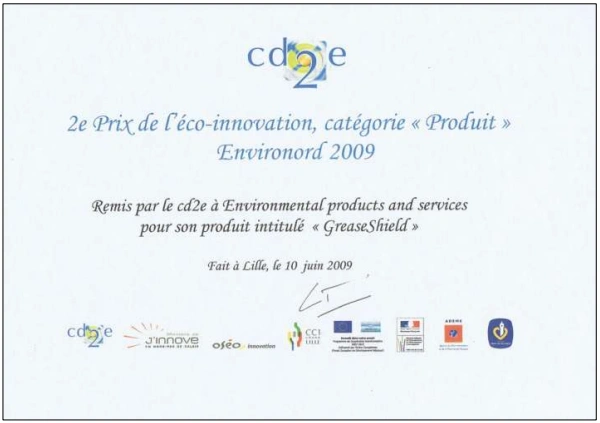
Developed by Environmental Products and Services Ltd (EPAS), GreaseShield is an automatic grease recovery system designed to separate and remove FOG from commercial kitchen wastewater.
Rather than relying solely on the retention of collected grease within the system, GreaseShield automatically transfers recovered FOG into an external collection container for disposal.
GreaseShield technology is also designed to separate emulsified animal fats, addressing an important challenge in commercial wastewater treatment.
By continuously recovering and removing separated grease during operation, GreaseShield provides an alternative approach to conventional passive grease retention.
One Grease Management Solution, Designed Around Your Kitchen
The Dunkin’ development also highlights another important consideration: every commercial kitchen has different requirements.
A coffee shop, fast-food restaurant, hotel kitchen and large-scale catering facility will each have their own wastewater demands, available space and installation conditions.
A grease-management system must therefore be selected based on the actual requirements of the kitchen, rather than taking a one-size-fits-all approach.
GreaseShield offers a range of automatic grease recovery units designed to accommodate different kitchen sizes, flow rates and operational requirements.
Our team works with customers, kitchen designers, consultants and installers to identify the most appropriate GreaseShield configuration for each application.
Through technical guidance and site surveys, we can assess factors such as wastewater flow, drainage arrangements, installation space and equipment requirements before recommending a suitable system.
This approach helps ensure that grease management is considered as part of the wider kitchen design, rather than being left as an afterthought.
Local wastewater regulations and approval requirements must also be considered when specifying any grease-management installation.
Don’t Let Grease Management Become an Afterthought
The abandoned Dunkin’ development in Boise demonstrates how wastewater requirements can have consequences before a restaurant has even opened.
Whether developing a new commercial kitchen, converting an existing property or upgrading outdated equipment, understanding grease-management requirements early can help avoid unnecessary complications.
It is equally important to consider the long-term performance of the chosen equipment. Effective FOG management should not simply be about satisfying installation requirements, but about protecting drainage infrastructure and managing wastewater throughout the working life of a kitchen.
With automatic FOG separation and removal, technology designed to recover emulsified animal fats, and a range of configurations to suit different commercial kitchen applications, GreaseShield provides a comprehensive approach to grease management.
Planning a new commercial kitchen or reviewing your existing grease-management system?
The GreaseShield team can help you identify an appropriate solution for your kitchen, from initial technical advice and site surveys through to equipment selection and installation guidance.