Fats, oils, and grease (FOG) are an unavoidable byproduct of commercial kitchens. What is avoidable is the damage they cause.
Unmanaged FOG remains one of the most common reasons for drainage failure, operational disruption, and compliance issues. The problem is rarely sudden. By the time a drain blocks, the system has already been under strain for months.
FOG does not dissolve. It cools, solidifies, and adheres to pipe surfaces. As it builds, pipe diameter reduces, flow slows, and pressure increases. What appears to be an unexpected failure is usually the result of long-term accumulation.
The Limits of Reactive Maintenance
Most failures are the result of reactive approaches. Drainage issues develop gradually, often unnoticed, until they require urgent intervention.
At that point, the response is typically expensive and disruptive, involving emergency call-outs and unplanned downtime. Reactive maintenance deals with the outcome, not the cause. The cause starts at the sink.
Grease issues do not originate in the sewer network. They begin at the point of use, where fats, oils, grease and food solids enter the drainage system. Managing FOG at source reduces stress on internal pipework, limits downstream impact, and supports compliance with increasing regulatory expectations.
Why Flushing and Chemicals Fall Short
Attempts to manage grease further along the system are inherently limited. Hot water may melt it temporarily. Chemical dosing may push it downstream. Neither removes it. Both approaches simply relocate the problem, allowing it to reform and accumulate elsewhere.
Controlling FOG at Source
At-source solutions remove the conditions that lead to blockages before they develop. The shorter the distance grease travels, the lower the risk it creates.
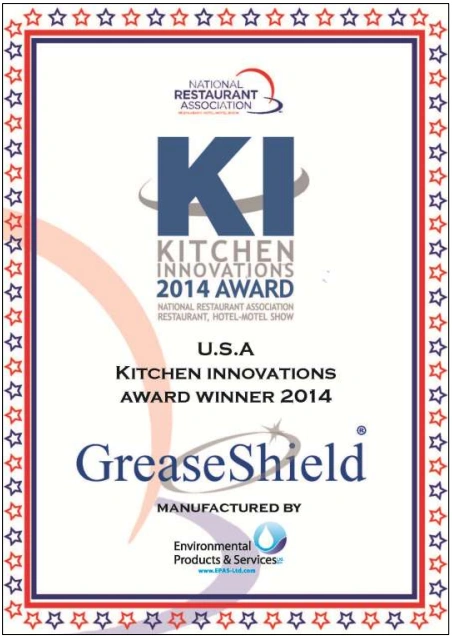
GreaseShield the Grease Management Solution is designed to operate directly under the sink, removing fats, oils, and grease as wastewater flows through.
However, grease alone is not the full problem.
Food solids play a significant role in accelerating blockages by binding with grease and increasing build-up within pipework. Capturing solids at source, through systems such as FilterShield, prevents this interaction and protects the wider drainage network.
Managing grease and solids together is essential. Treating them as separate issues leads to incomplete solutions.
Designed for Real Kitchen Environments
Commercial kitchens operate under constant pressure, with limited space and continuous demand.
Drainage systems must be compact, practical, and easy to integrate into existing layouts. Systems designed without these constraints in mind rarely deliver long-term value.
When implemented correctly, at-source control shifts maintenance from reactive to predictable. The objective is not to eliminate maintenance entirely, but to make it controlled, routine, and non-disruptive.
This approach also removes reliance on chemical dosing. Chemicals alter grease behaviour temporarily but do not eliminate it. Long-term control should be engineered into the system itself.
Long-Term Protection and Compliance
Drainage protection is not a short-term fix. It is a long-term operational decision.
Well-designed systems reduce downstream load, minimise stress on infrastructure, and decrease the frequency of intervention over time. Prevention provides consistency in a way that reactive measures cannot.
There is also a growing compliance dimension. Water authorities increasingly expect grease to be managed at source. Failure to do so can lead to operational, regulatory, and reputational risk.
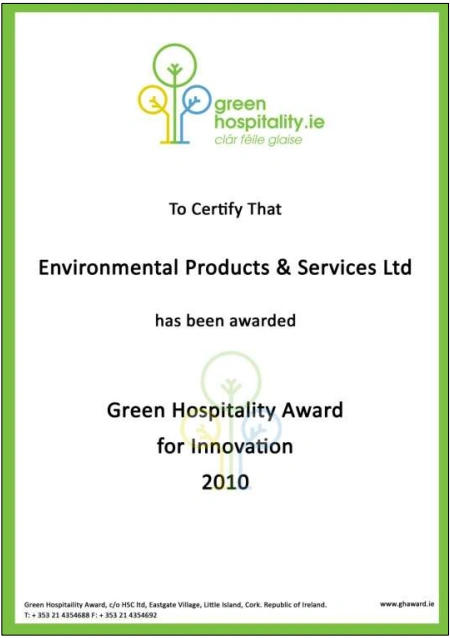
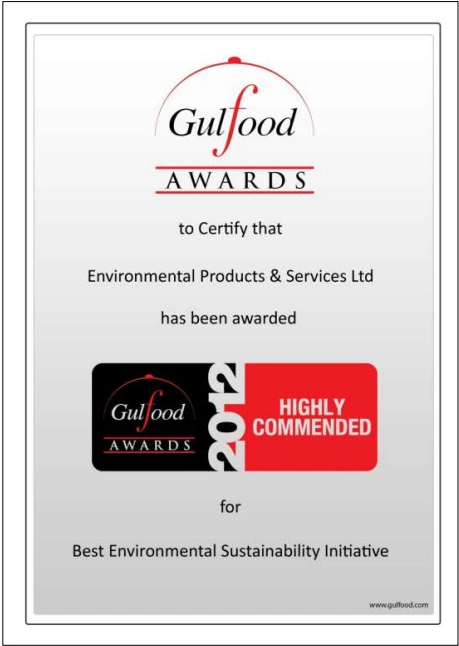
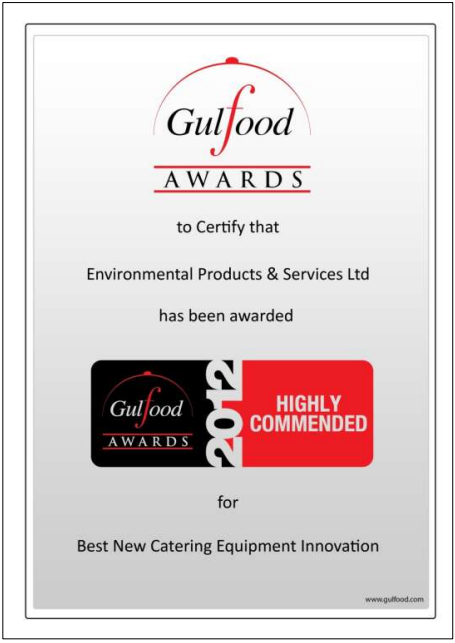
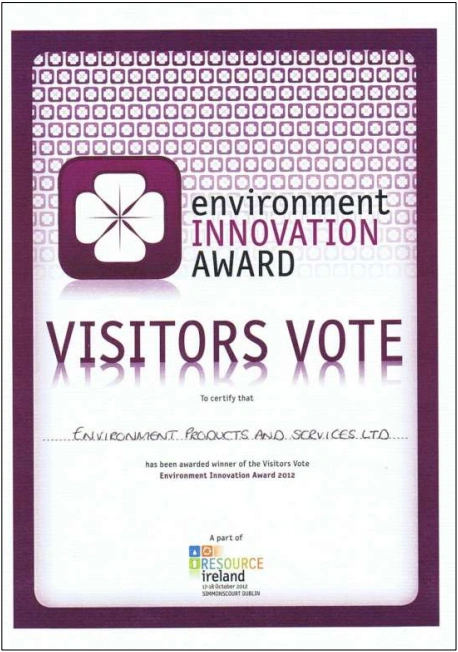
Systems supported by recognised standards and independent certification provide confidence that performance is measurable and accountable.
A Practical Starting Point
Every kitchen should be able to answer a small number of critical questions:
- Is grease being captured at source?
- Are food solids being controlled?
- Are systems compliant and appropriately specified?
- Is the long-term impact understood?
If the answer to any of these is unclear, there is an opportunity to reduce risk and improve performance.
Take Control at Source
Effective grease management is not reactive. It is designed into the operation, integrated into the environment, and maintained predictably over time.
EPAS solutions are engineered to deliver at-source grease and solids control within real kitchen environments, combining practical installation with long-term reliability.
If you want to understand how this approach could be applied within your kitchen or project, arrange a design or site review click here.
Early intervention reduces risk, protects infrastructure, and ensures systems perform as intended over their full lifecycle.